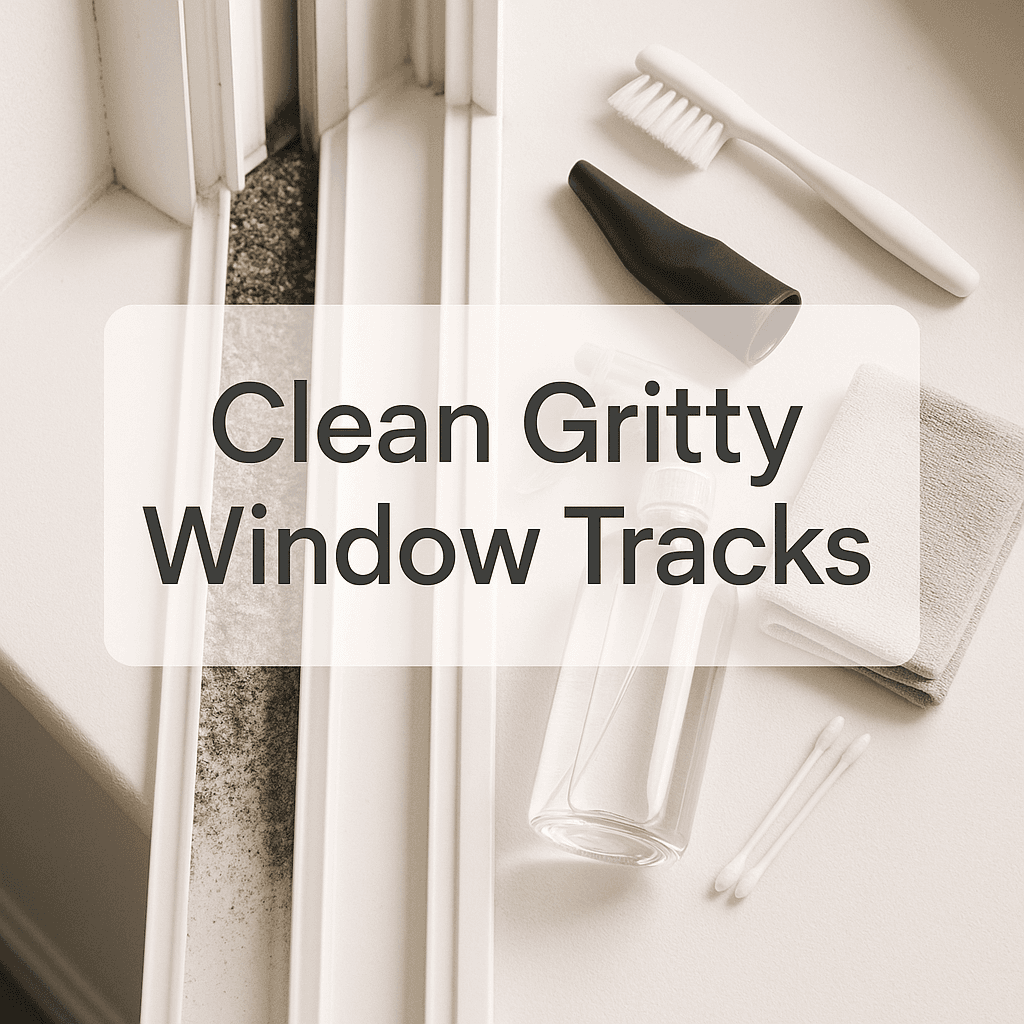
If your windows are “clean” but the tracks feel like a beach parking lot, you’re not imagining it. Window tracks collect everything. Windblown sand. Dead bugs. Pollen. Old lubricant. Little crumbs of drywall dust if you’ve had work done. And in Southwest Florida, grit is basically a lifestyle.
The annoying part is that dirty tracks don’t just look bad. They can:
- Make your windows harder to open and close
- Wear out rollers and weatherstripping faster
- Hold moisture in the corners, which turns into funk and staining
- Blow debris back onto freshly cleaned glass the minute you open the window
So yeah. Tracks matter.
Below is a safe cleanout method that works for most standard residential windows without scratching, flooding your sill, or turning it into a whole Saturday project.
Before you start, a quick reality check
Window tracks are not all built the same.
Some are vinyl. Some are aluminum. Some are painted. Some are old and already pitted. Some have weep holes that drain water to the outside. Some have none. Some have a fuzzy balance system hiding in the sides that you really do not want to soak.
So the goal here is not “power wash the track” or “dump bleach in it and pray”.
The goal is controlled cleaning. Loosen the grit. Lift it out. Minimal water. Dry it properly.
If you do that, you get tracks that stay cleaner longer and windows that glide instead of grind.
What you need (simple, non fancy)
You probably have most of this already.
- Vacuum with a crevice tool (shop vac is even better)
- Soft nylon brush or old toothbrush
- Microfiber towels (a few)
- Cotton swabs or a small detailing brush (optional but helpful)
- Spray bottle with warm water
- Mild dish soap (a few drops)
- White vinegar (optional for mineral film)
- Plastic putty knife or old credit card
- Paper towels (for quick wick ups)
- Silicone spray (optional, tiny amount, only after cleaning)
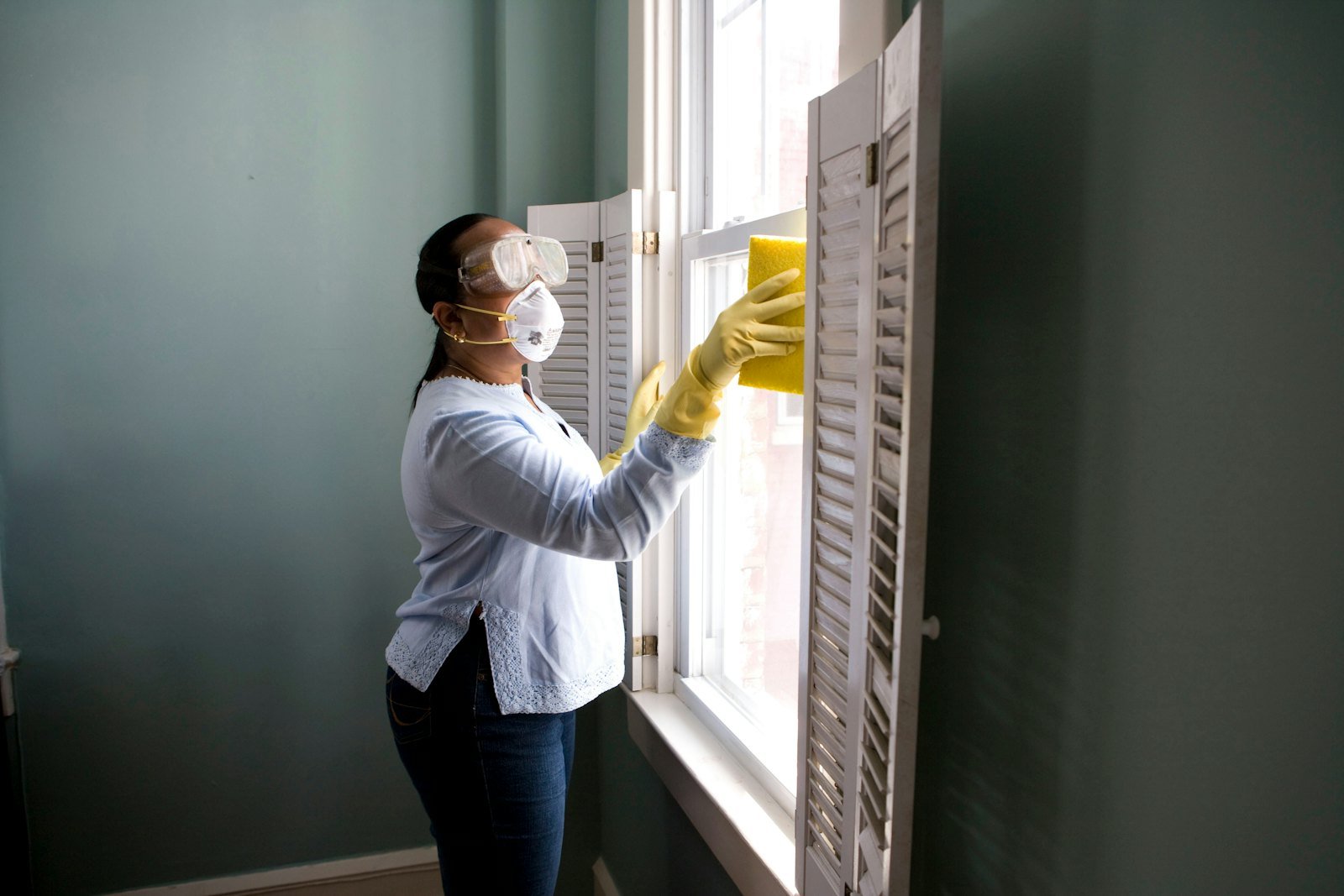
- Gloves if you hate grime
If you want the quick version, it’s basically: vacuum first, then scrub, then wipe, then dry.
Step 1: Dry clean first (do not skip this)
This is the step people skip, then they wonder why it turns into mud.
Open the window so you can access as much of the track as possible. Then:
- Use the crevice tool and vacuum out loose sand and debris.
- Work slowly. Get into the corners. Hit the area where the sash sits.
- If the grit is packed, loosen it with your toothbrush first, then vacuum again.
If you don’t have a vacuum, you can sweep debris into a pile with a dry brush and lift it out with a paper towel. But vacuuming is cleaner and faster.
Why it matters: Once sand turns into wet sludge, it sticks to everything. Dry removal keeps the whole job under control.
Step 2: Find the weep holes (and clear them gently)
On many windows, especially sliding windows, there are small drain holes in the track that let water escape to the outside. If they’re clogged, water sits in the channel and turns nasty.
Look for small slots or round holes along the bottom track. Then:
- Use a cotton swab, zip tie, or toothpick to clear them
- Do not shove hard or jab deep
- If you dislodge a chunk, vacuum it out
If you see standing water in the track often, clogged weep holes are usually why.
Step 3: Make a safe cleaner (less is more)
In a spray bottle:
- Warm water
- 2 to 4 drops of dish soap
That’s it for most tracks.
For stubborn grime or light mineral film, you can do a second bottle with:
- Half water, half white vinegar
Avoid heavy degreasers unless you know the material can handle it. Avoid bleach in tracks. It’s harsh on finishes and seals and it can react with other cleaners. Also it smells like regret.
Step 4: Controlled spray, then agitation
Lightly mist the track. Not a soak. You’re not watering plants here.
Then scrub with your toothbrush or soft nylon brush:
- Short strokes along the channel
- Extra attention to the corners and where the sash contacts
- Keep an eye on any fuzzy weatherstripping nearby and try not to saturate it
If you hit a spot that feels like sticky tar, it might be old lubricant mixed with dust. Scrub it, wipe, then scrub again. Sometimes it takes two passes.
Step 5: Lift the grime out (don’t just smear it around)
Here’s a trick that actually works.
Wrap a microfiber towel around a plastic putty knife or an old credit card. Then run it along the track like you’re “squeegeeing” the channel. The towel grabs the sludge from inside the groove where your finger cannot reach.
- Fold the towel to a clean side often
- For corners, use a cotton swab or the towel corner pinched into the groove
- If it’s really nasty, vacuum again after your first wipe
This is where tracks go from “better” to “actually clean”.

Step 6: Rinse lightly (only if needed)
If you used soap, you may want a tiny rinse so there’s no residue. But do it in a controlled way:
- Spray plain water lightly
- Immediately wipe it up with a clean microfiber
- Do not let water pool
If you have sensitive wood trim or older windows, be extra conservative with water. Standing moisture is what causes swelling, paint issues, and that musty smell.
Step 7: Dry it like you mean it
Drying is not optional. Tracks that stay damp attract dust and grow grime faster.
- Use a dry microfiber to finish
- Hit corners with a paper towel or swab
- Leave the window open for a few minutes if weather allows
If you want to go one step further, you can run the vacuum crevice tool one last time once everything is dry. It pulls any remaining crumbs you loosened.
Optional: Make the window glide better (without creating a dirt magnet)
If your window feels rough after cleaning, you can use a small amount of silicone spray.
But. Small amount.
Do this:
- Spray silicone onto a cloth, not directly into the track
- Wipe a thin film on the contact areas
- Open and close the window a few times
- Wipe away any excess
Avoid oily lubricants. They feel great for a week, then they turn into a sticky grit trap.
A quick “safe method” summary (printable in your head)
- Vacuum dry debris
- Clear weep holes
- Light mist of warm soapy water
- Scrub gently
- Wipe out with microfiber wrapped on a card
- Light rinse if needed
- Dry thoroughly
- Optional silicone, very light
That’s it. No harsh chemicals. No soaking. No damage.
Common mistakes that make tracks worse
1) Pouring water into the track
It seems logical, like rinsing a gutter. But it floods the sill area and pushes grime into corners and drain paths. Also, if the weep holes are clogged, you just made a swamp.
2) Using a metal scraper
Metal tools can gouge vinyl and scratch aluminum. Scratches also hold more dirt later, so it’s like creating future grime storage.
3) Going too aggressive with bleach
Bleach doesn’t magically remove grit. It disinfects. It can also discolor surfaces, weaken seals, and leave fumes inside your home.
4) Spraying lubricant before cleaning
That just binds the grit into a paste. Clean first. Always.
What if the track has black staining or “crud” that won’t lift?
If it’s just embedded grime, you can usually get it with:
- Vinegar solution (spot test first)
- A soft brush
- Repeat passes with clean microfiber
If it looks like mold or mildew, the bigger issue might be moisture sitting there because of drainage problems or constant condensation.
If you keep seeing it come back fast, check:
- Weep holes and drainage
- Weatherstripping condition
- Whether sprinklers are hitting the window
- Humidity and airflow in that room
Sometimes you’re cleaning a symptom, not the cause.
What about salt air, sand, and hard water in Naples?
If you live in Naples, Marco Island, Bonita Springs, Estero, basically anywhere near the coast, you get a special combo:
- Fine sand that sneaks past screens
- Salt residue that dries into a film
- Hard water spotting and mineral buildup from rain and irrigation overspray
Tracks and sills collect all of it, and it gets worse in dry windy weeks.
If you’re cleaning tracks often and still feel like the windows never stay “crisp”, it’s usually because the glass and frames need a full wash too, not just a quick wipe.
That’s where a professional cleaning can actually save time, especially if hard water stains are involved.
If you want that done the right way, Naples Florida Window Cleaning offers full window washing and detailed track and sill cleaning as part of their service options, plus hard water stain removal when the glass is etched or mineralized. You can check them out here: https://naplesflwindowcleaning.com/
No pressure. Just a good option if you’re tired of fighting gritty tracks every month.

How often should you clean window tracks?
Depends on your situation, but here’s a realistic schedule:
- Every 1 to 2 months: if windows are opened often, you’re near the beach, or you have pets
- Every 3 to 4 months: typical home, moderate dust, windows opened occasionally
- Twice a year: if windows are mostly closed and you have good screens, minimal dust
If you want to keep it easy, do a mini version monthly:
- Vacuum the track
- Quick wipe with a dry microfiber
Then do the full wet clean every few months.
A couple of weird little pro tips (that actually help)
Use painter’s tape if you’re worried about trim
If you have unfinished wood trim or you’re cleaning near a freshly painted sill, tape the edge. It keeps moisture and grime off the wrong surface.
Fold your microfiber into quarters
It gives you multiple clean faces. When one side gets nasty, flip. You stay in control of the mess.
If you hear grinding, stop and check the rollers
Sometimes it’s not the track. It’s a damaged roller dragging. Cleaning helps, but it won’t fix broken hardware.
When to stop DIY and call someone
Tracks are usually DIY friendly. But I’d consider handing it off if:
- The windows are high up or awkward to reach safely
- You have heavy hard water staining on the glass and frames
- Tracks are packed with construction debris, paint, or stucco dust
- The window won’t move and you’re forcing it
- You suspect damaged seals, bent frames, or failed hardware
A trained technician can clean without scratching frames, can spot drainage issues, and can handle the glass safely.
If you’re in Southwest Florida and want a straightforward quote, you can reach Naples Florida Window Cleaning here: https://naplesflwindowcleaning.com/ . Especially if you want the whole window system done. Glass, screens, tracks, sills. The full reset.
Wrap up
Window tracks full of grit are one of those small home things that quietly annoy you for months. Then you finally clean them and suddenly the whole window feels newer. Opens smoother. Looks sharper. Less dust blowing around.
The safe cleanout method is simple. Dry vacuum first. Light cleaner. Gentle scrub. Wipe the channel properly. Dry it well. Done.
And if you get halfway through and think, I do not want to do the rest of these, that’s fair too. It’s exactly why local services exist.
FAQs (Frequently Asked Questions)
Why do window tracks get so dirty and why does it matter?
Window tracks collect windblown sand, dead bugs, pollen, old lubricant, drywall dust, and more. In places like Southwest Florida, grit is a constant issue. Dirty tracks not only look bad but also make windows harder to open and close, wear out rollers and weatherstripping faster, hold moisture that causes staining and odor, and can blow debris back onto clean glass when windows are opened.
What is the best way to clean window tracks without causing damage?
The goal is controlled cleaning: loosen the grit, lift it out with minimal water, and dry properly. Avoid power washing or soaking the tracks. Use dry vacuuming first to remove loose debris, then lightly mist with a mild soap solution for scrubbing. Dry thoroughly to prevent moisture buildup.
What supplies do I need for safely cleaning window tracks?
You’ll need a vacuum with a crevice tool (shop vac preferred), a soft nylon brush or old toothbrush, microfiber towels, cotton swabs or detailing brushes (optional), a spray bottle with warm water, mild dish soap, white vinegar (optional for mineral deposits), plastic putty knife or old credit card for wiping, paper towels for quick drying, silicone spray (optional after cleaning), and gloves if you prefer.
How do I properly prepare window tracks before wet cleaning?
Always start with dry cleaning by vacuuming out loose sand and debris using the crevice tool. Loosen packed grit gently with a toothbrush before vacuuming again. This prevents turning debris into mud during wet cleaning and keeps the process manageable.
What are weep holes in window tracks and how should I clean them?
Weep holes are small drain holes in sliding window tracks that allow water to escape outside. If clogged, water accumulates causing stagnation and odor. Locate these holes along the bottom track and gently clear them using cotton swabs, zip ties, or toothpicks without pushing too hard or deep. Vacuum out any dislodged debris.
How do I safely scrub and remove grime from window tracks after spraying cleaner?
Lightly mist the track with your mild soap solution—avoid soaking. Scrub with a soft brush using short strokes along the channel focusing on corners and sash contact points. For sticky tar-like spots (old lubricant mixed with dust), scrub multiple times as needed. Then use a microfiber towel wrapped around a plastic putty knife or old credit card to ‘squeegee’ grime out of grooves without smearing it around.